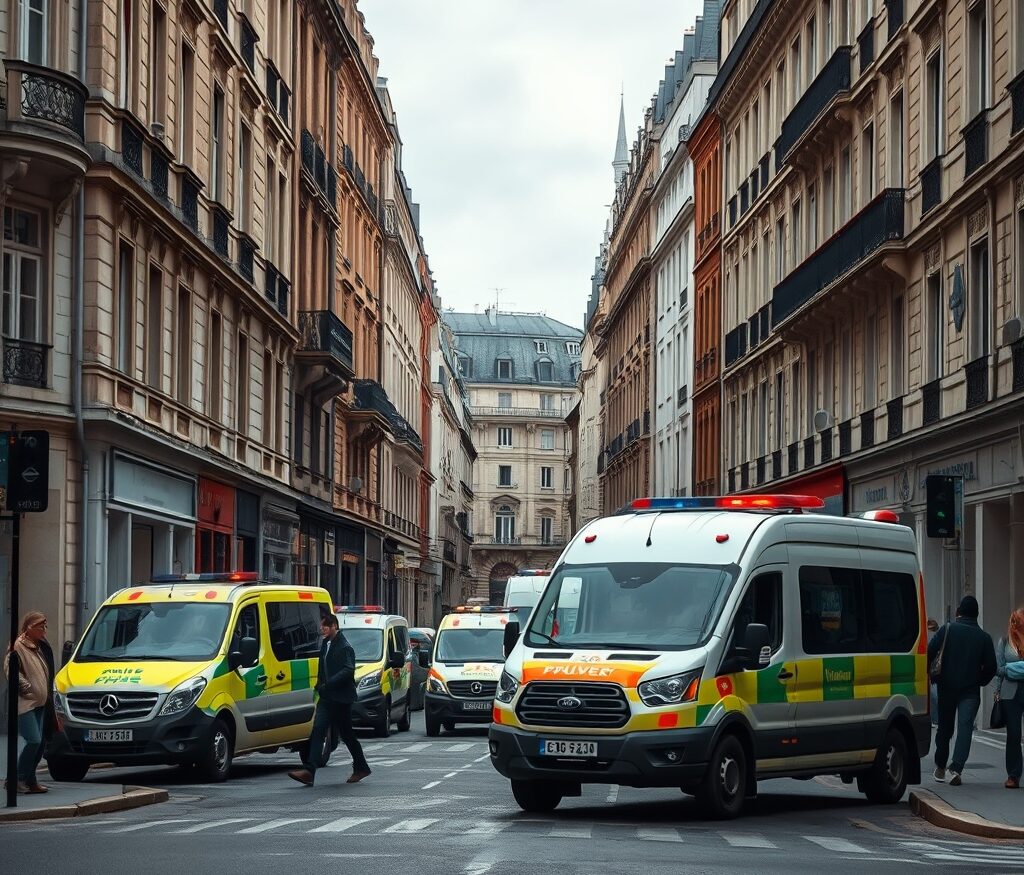
Following weeks of intense protests and a destructive weekend of riots, France faces severe economic pressures and political uncertainty as the nation looks toward an upcoming presidential election. According to reports published by The Guardian, the recent civil unrest has left lasting repercussions for both French society and its economy, prompting widespread concern among investors and citizens alike.

Unrest and Economic Strain in France Faces
The recent weekend of violence saw severe destruction across the country. According to source reports, a local town hall was set ablaze, more than 2,000 shops were looted, 2,300 individuals were arrested, and 1,000 police officers sustained injuries. These violent demonstrations also sparked allegations of police brutality.
The upheaval unnerved investors, triggering a major debt sell-off that pushed French borrowing costs higher than those of Greece. Guardian Europe correspondent Jon Henley detailed the country’s severe financial predicament, noting that national debt has reached 119% of gross domestic product—the highest level recorded since 1946. Furthermore, the budget deficit stands at 5.1%, ranking among the highest within the European Union. Henley noted that there is little financial leeway to ease the ongoing cost-of-living squeeze that recently brought 550,000 demonstrators onto the streets.
Political Repercussions and Future Elections
The cascading crises arrive just six months before a hotly contested presidential election. Columnist Paul Taylor suggested that the weekend violence could provoke a law-and-order voter backlash capable of propelling Marine Le Pen into the Élysée Palace. However, Taylor also observed that if the economic situation deteriorates further and the electoral campaign focuses heavily on fiscal stewardship, Le Pen might lose ground to a candidate offering firm security combined with fiscal orthodoxy.
An editorial published by The Guardian characterized the atmosphere as increasingly febrile, warning that the recent civil strife might serve merely as a foretaste of future challenges as the country heads toward a pivotal reckoning in May. Questions remain regarding whether embattled incumbent Emmanuel Macron can effectively address these compounding difficulties during his remaining months in office.
Reader Q&A Initiative
To address these pressing concerns, The Guardian scheduled a live reader Q&A session featuring France-based Europe columnists Rokhaya Diallo and Alexander Hurst. The columnists engaged directly with readers to discuss the underlying causes of the riots, the immediate aftermath, and the future trajectory of France.
Source: Reader Q&A: what’s next for France? Ask our Europe columnists (source-feed timestamp 2026-10-23T08:54:53+00:00). AI-assisted report based on the cited linked article and its RSS feed; details were not independently verified.
Related coverage
Context matters. Read about our editorial standards and corrections policy.

Join the conversation