Understanding France’s Culture of Violent Policing
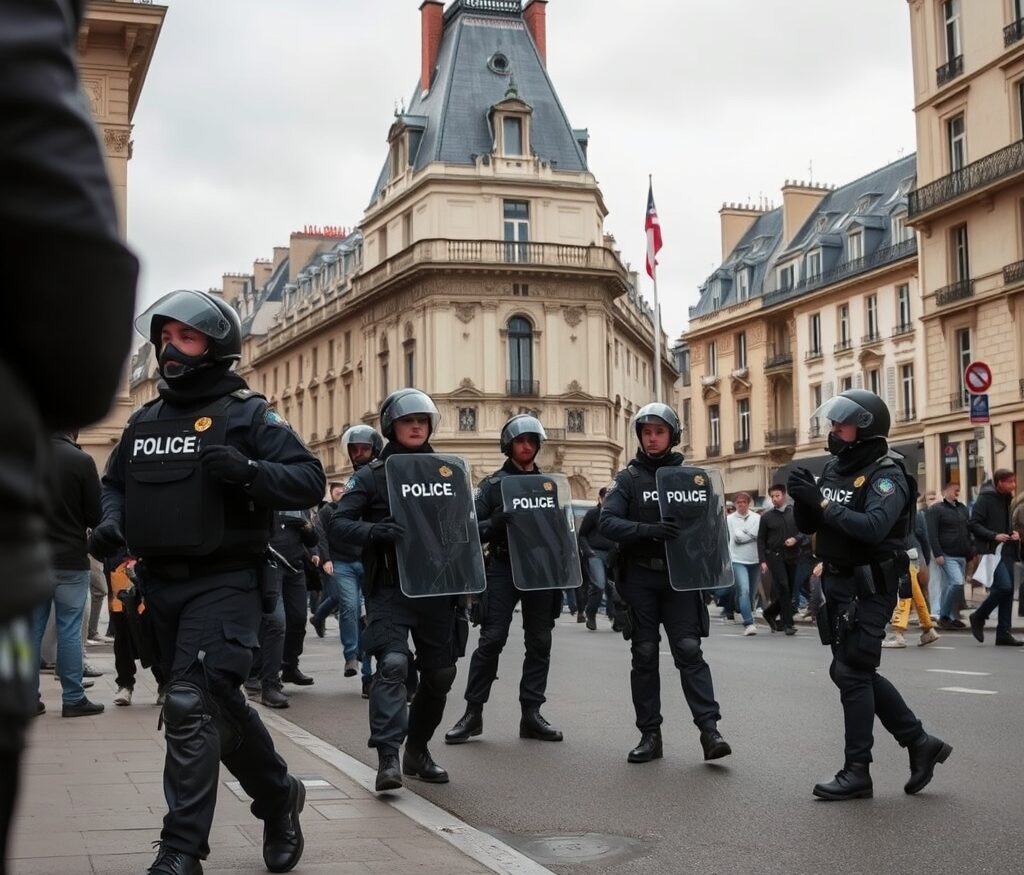
According to reporting by The Guardian, familiar images of teargas clouds, baton charges, and stun grenades have once again focused international attention on France’s culture of violent policing. While most western European neighbors prioritize crowd containment and de-escalation, France has long responded to social movements with severe physical force.
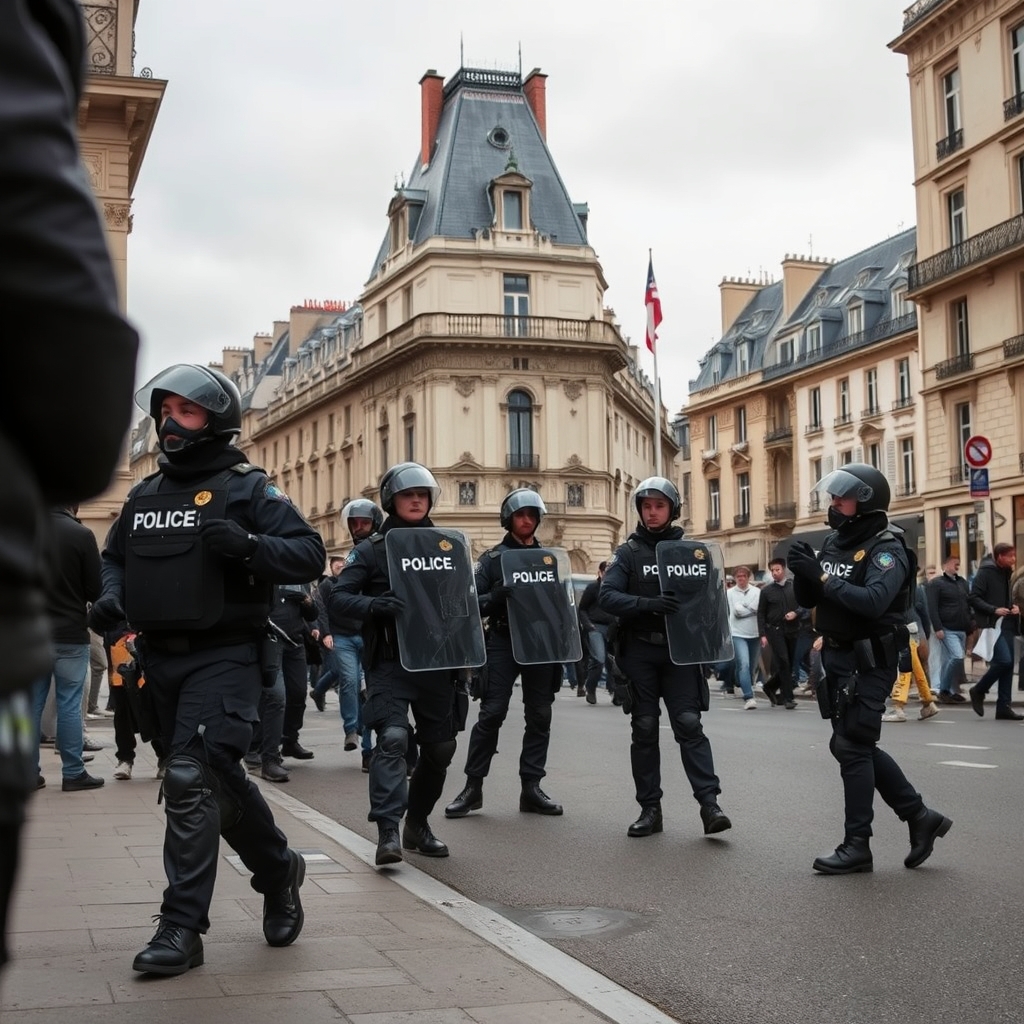
The roots of this approach trace back to Napoleon’s ultra-centralized state and Republican political philosophy. Unlike in countries where police serve as public servants whose authority derives from community consent, French police operate as agents of state authority. Protests and mass disorder are treated not as civil nuisances, but as direct challenges to the Republic, prioritizing the reclamation of streets over negotiation.
Tactics and the Power of the Street
This institutional mindset drives aggressive crowd control tactics, including encirclement and the use of intermediate weapons. Although explosive grenades that maimed previous demonstrators have been phased out, they were replaced by pyrotechnic stun grenades designed to disperse crowds through impact and intense acoustic shock, causing severe injuries.
Concurrently, France possesses a unique culture of street protest rooted in the legacy of the 1789 revolution. With top-heavy governance structures that marginalize institutional consultation, citizens often view the power of the street as one of their few viable means to force government concessions. This dynamic creates a vicious circle where military-style police tactics meet determined demonstrators, escalating protests into fierce confrontations.
Escalation and International Concern
Monitoring data from organizations such as Acled indicates that while France does not always record western Europe’s highest number of demonstrations, it consistently records the highest rates of escalated, high-intensity unrest involving street barricades, vandalism, and direct clashes. International human rights monitors, including Amnesty International, Human Rights Watch, and the Council of Europe, have repeatedly condemned these methods.
Despite ongoing criticism, heavy-handed approaches continue to expand. Protests recently erupted over a proposed legal framework seeking to establish a presumption of self-defence for officers using firearms. Critics warn that such measures risk institutionalizing impunity, ensuring that the intense battle for public safety and civil liberties on French streets remains unresolved.
Source: France’s culture of violent policing means the battle for its streets is far from over (source-feed timestamp 2026-10-20T16:49:44+00:00). AI-assisted report based on the cited linked article and its RSS feed; details were not independently verified.
Related coverage
Context matters. Read about our editorial standards and corrections policy.

Join the conversation