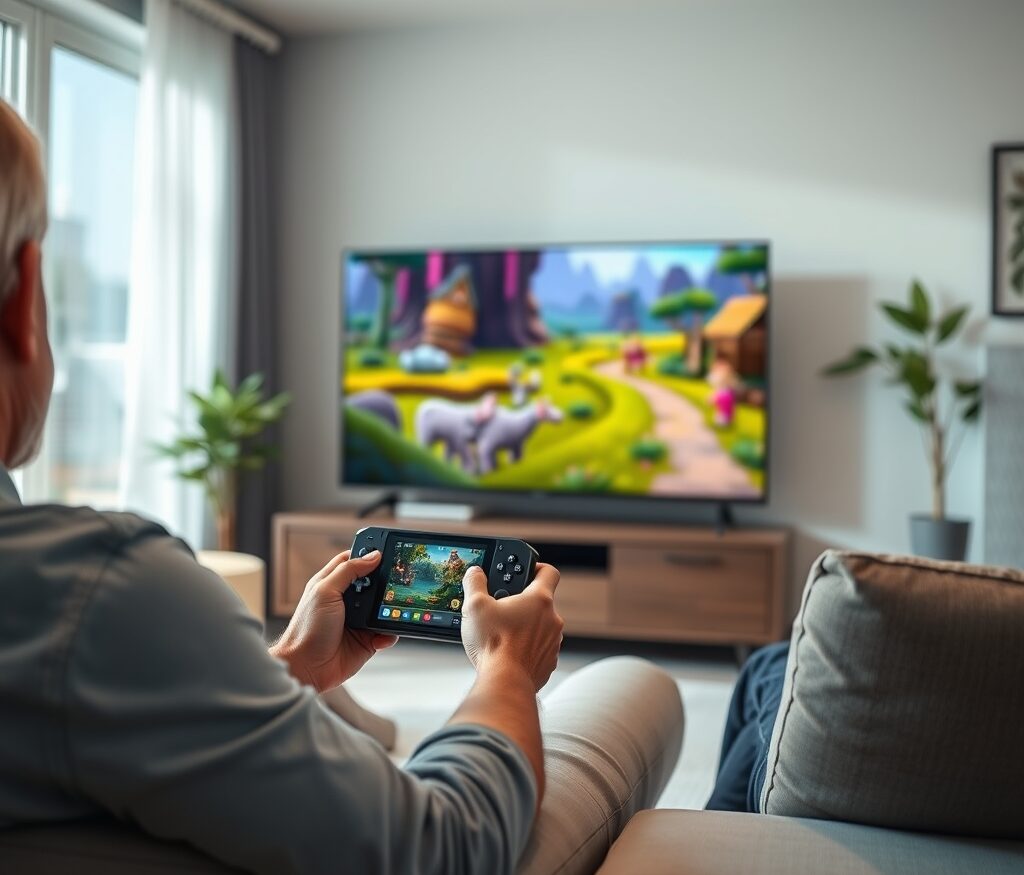
The video game industry relies heavily on video game remakes to connect contemporary players with beloved titles from the past. When Kacey Doran saw footage of the upcoming redesigned version of The Legend of Zelda: Ocarina of Time for the Switch 2, memories of playing the original Nintendo 64 release from 1998 with her sister rushed back. Doran, who now teaches an esports course at Rowan University in New Jersey, noted that the original game possessed a magical quality that she hopes to share with her sister’s children.
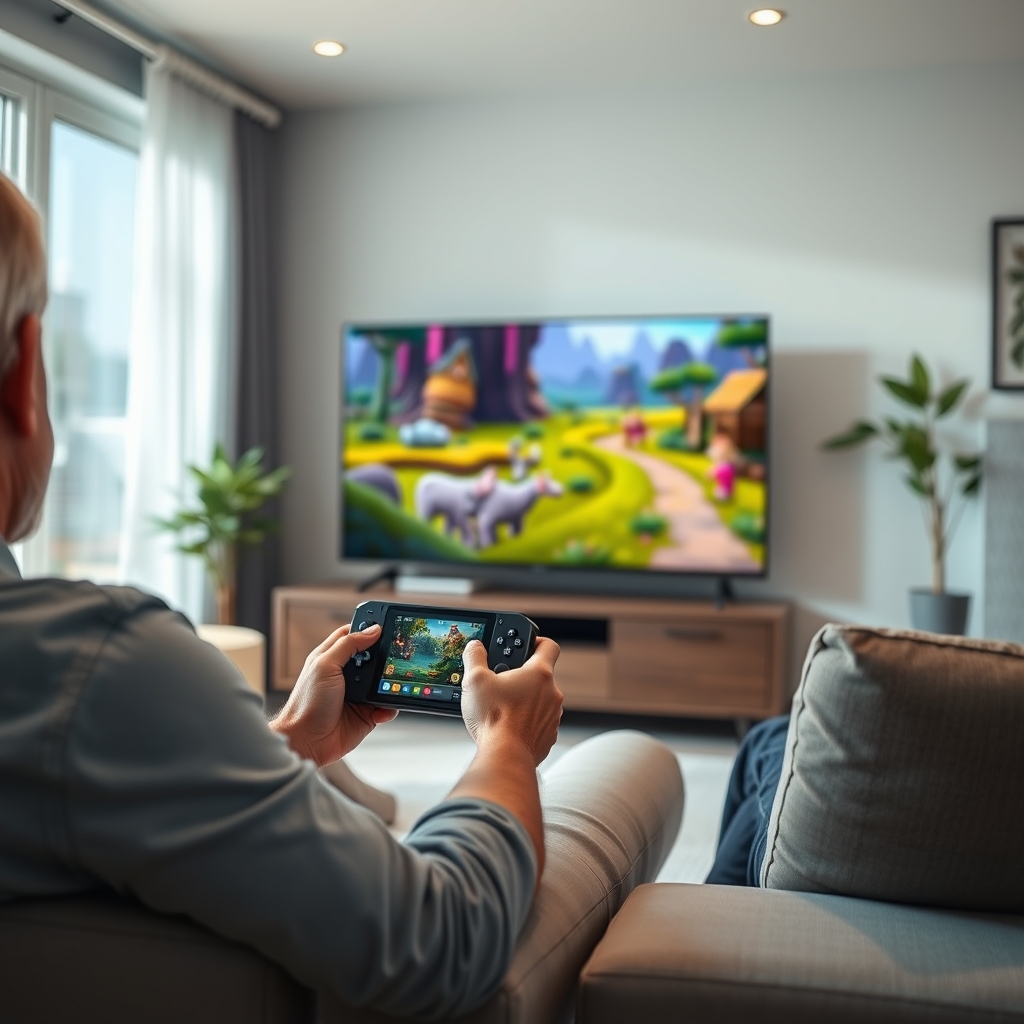
Industry experts note that putting out remasters and remakes has proven to be a very successful strategy. Piers Harding-Rolls, head of games research at Ampere Analysis, explains that building on existing content and tying in with established audiences is a safe route for companies. In many instances, updating an existing game is cheaper than creating an entirely new title from scratch. Recent examples that have found large audiences include updated versions of Resident Evil 4 and Assassin’s Creed Black Flag, alongside major projects like 2020’s remake of 1997’s Final Fantasy VII.
The emotional appeal of video game remakes
Tim Wulf, a researcher at the Centre of Advanced Internet Studies in Bochum, Germany, explains that video games are notoriously good at triggering nostalgia because players can jump directly back into the same environment. Wulf describes nostalgia as a social emotion connected to other people, noting that memories inducing nostalgia can boost self-esteem while highlighting social bonds. Returning to fondly remembered places can feel reassuring and stabilising in an ever-changing world.
However, nostalgia is a mixed emotion that also carries a sense of sadness regarding time that has passed. Furthermore, not all players are motivated by nostalgia. Solo indie game developer Niklas Hallin, who runs the studio Neckbolt, did not play many games as a child. Hallin notes that remakes are valuable because older titles can be difficult to run on modern systems, whereas remakes work smoothly on current hardware.
Challenges and high expectations for developers
Developing updated versions can be a double-edged sword for publishers. Gamers are often protective of their favourite titles, and new versions do not always meet fans’ high expectations. Stephanie Ijoma, chief executive and founder of the creative agency NNESAGA, points out that there will always be a group of people ready to nit-pick. Developers must find the right balance between satisfying fans and exercising creative freedom.
Additionally, critics sometimes highlight a tension between originals and remakes regarding which version is definitive. Some players, such as Wulf, prefer entirely new experiences rather than playing old games updated for modern audiences. Looking forward, Harding-Rolls predicts that future remakes may shift away from graphical improvements toward editorial adjustments, reinterpretations, or versions featuring additional content as technology continues to evolve.
Source: How video game remakes tap the power of nostalgia (source-feed timestamp 2026-10-30T07:45:00+00:00). AI-assisted report based on the cited linked article and its RSS feed; details were not independently verified.
Context matters. Read about our editorial standards and corrections policy.


Join the conversation