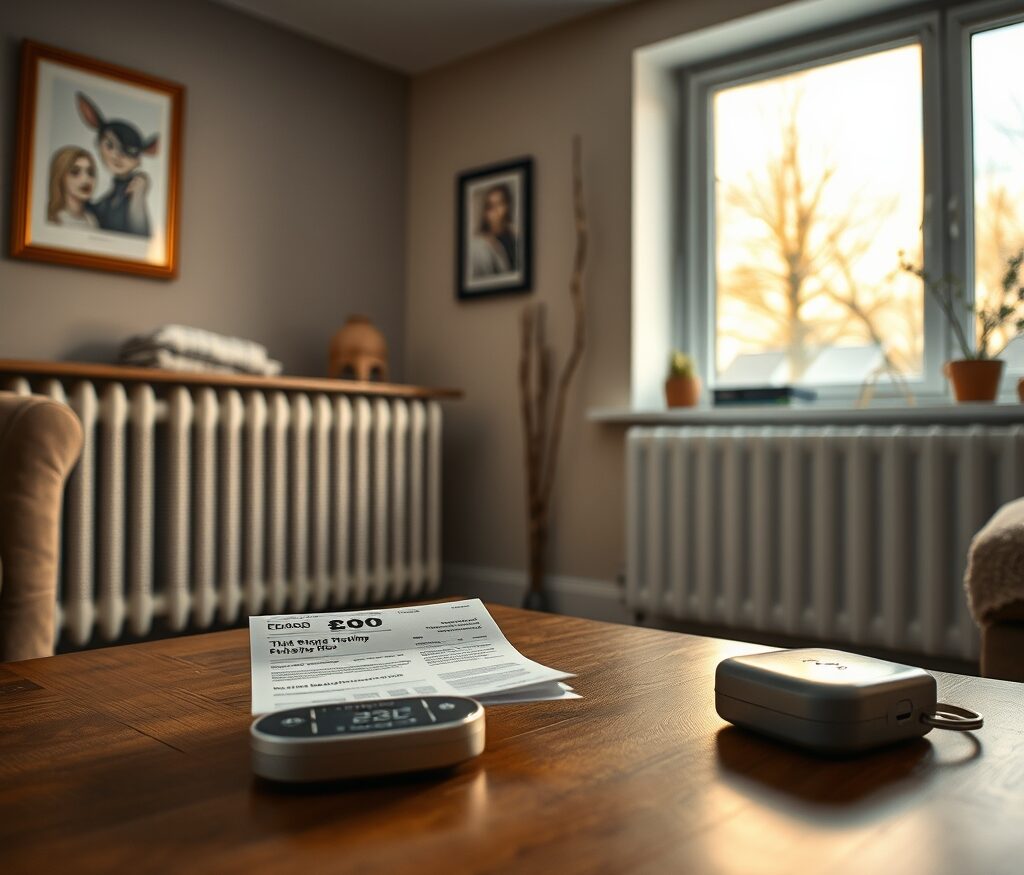
Up to 20 million households in England will receive a £100 energy payment this winter, as announced by Chancellor John Healey during the recent Budget report by the BBC. The financial support aims to assist residents with heating costs, though analysts point out that typical yearly energy bills are forecast to rise significantly in January, with consultants Cornwall Insight predicting a jump of £276, and other forecasts suggesting an increase of around £400 to £2,100.
Who Qualifies for the £100 Energy Payment?
Eligibility for the support primarily depends on property location and council tax bands. According to the government guidelines detailed in the BBC report, residents living in properties within council tax bands A to D in England will qualify for the financial aid. Homeowners and renters can check their council tax band by reviewing their paper council tax bill or by using online postcode search tools.
For those living in Scotland, Wales, or Northern Ireland, the chancellor noted that funding is being allocated to the devolved administrations to replicate the scheme. The Welsh government has confirmed it will distribute a £100 cost-of-living payment to households in council tax bands A to D. Meanwhile, the Scottish government stated it will seek to replicate the initiative. In Northern Ireland, however, the local government currently lacks the legal authority to issue the payments due to an unagreed budget for the financial year.
Payment Delivery and Special Circumstances
Households that pay their council tax via direct debit will automatically receive the funds directly into their designated bank account starting from January. For individuals who pay by cash, use alternative methods, or hold specific exemptions, local authorities will receive government guidance on how to distribute the funds.
Students residing in university halls will not qualify because those buildings do not fall under council tax bands A to D. However, students living in private homes or rented flats rated within bands A to D are eligible. Because students do not typically pay council tax directly, local authorities are tasked with determining distribution methods for these residents.
While the government designates the funding to help with energy costs, the money will be deposited directly into bank accounts, leaving recipients free to decide how to use the funds. The initiative is funded through a temporary tax increase on banks, with the corporation tax surcharge rising from 3% to 6% over a 15-month period beginning January 1, 2027.
Source: Will I get the £100 energy payment and when will I receive it? (source-feed timestamp 2026-10-28T17:47:37+00:00). AI-assisted report based on the cited linked article and its RSS feed; details were not independently verified.
Related coverage
Context matters. Read about our editorial standards and corrections policy.


Join the conversation