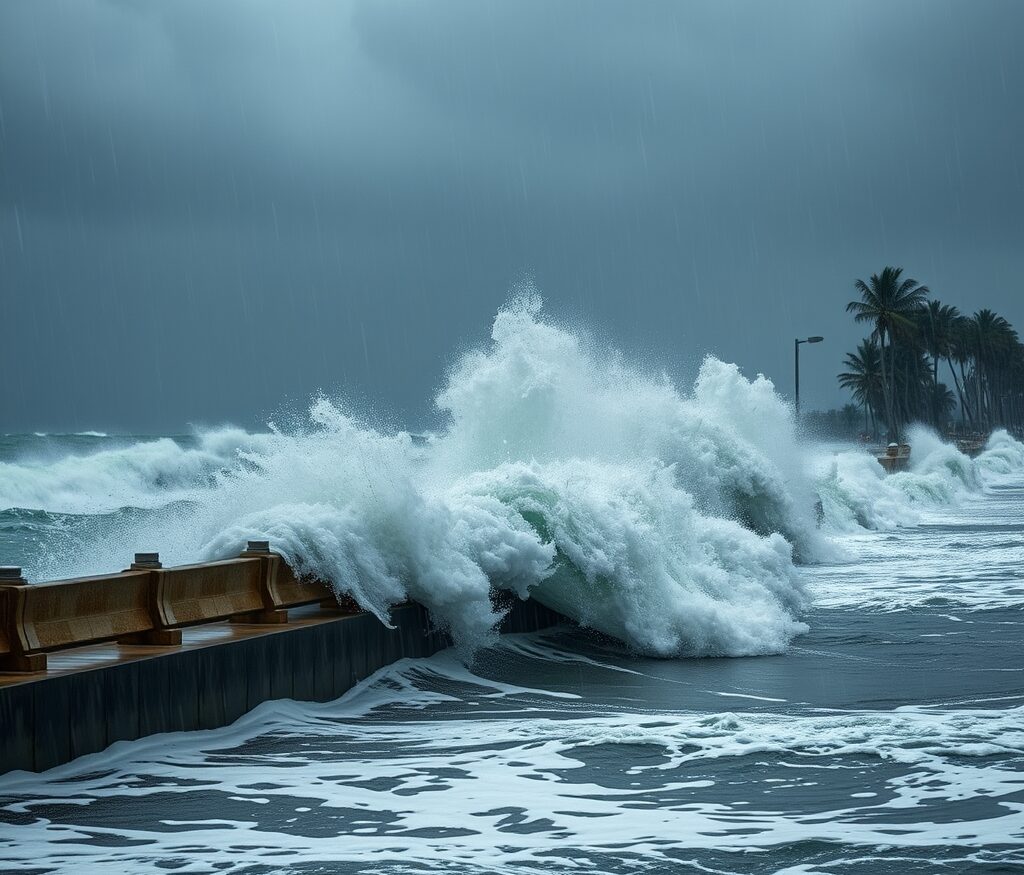
According to The Guardian, Typhoon Champi swept past Taiwan on Saturday, leaving one person dead and more than 500 injured while uprooting trees and severing power lines. As the storm weakened, it began heading north toward the Chinese coast.
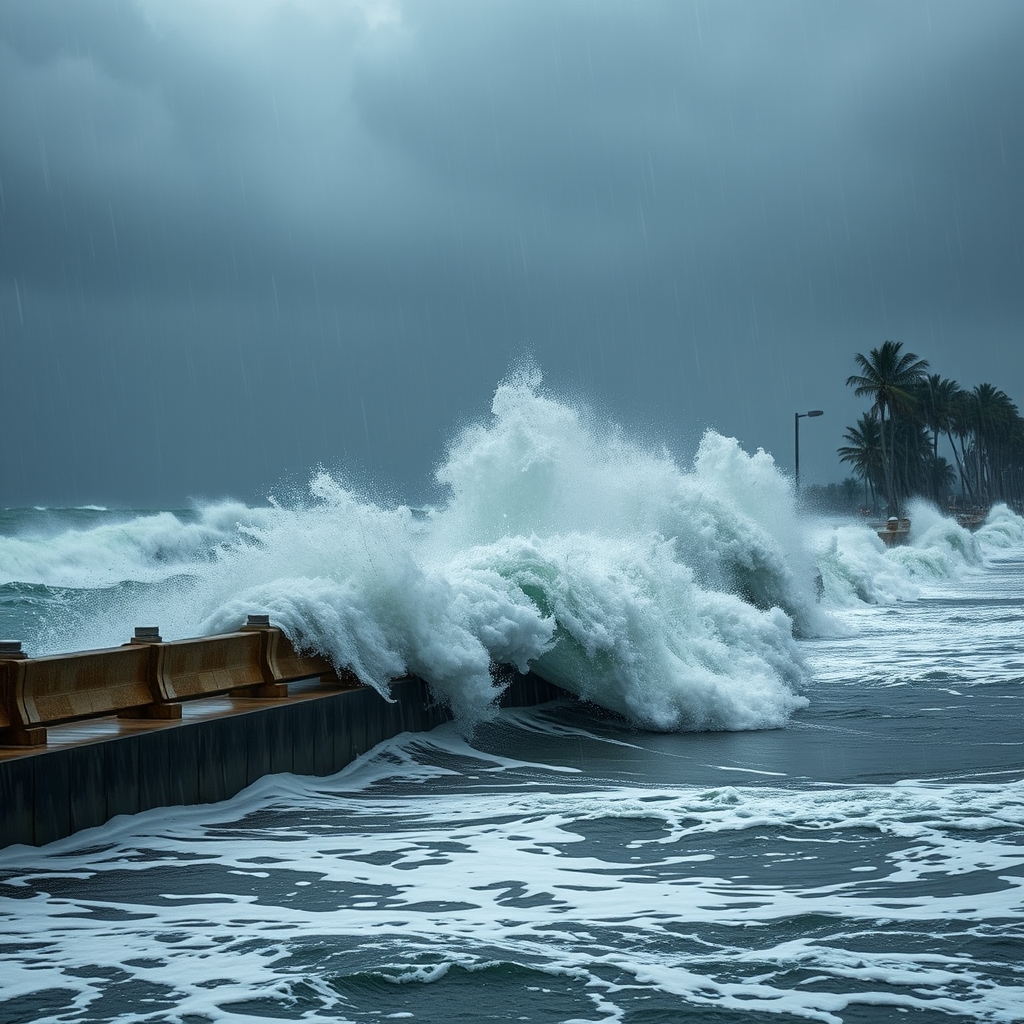
Earlier classified as a super typhoon and recognized as one of the strongest storms in the Pacific this year, the system was still packing gusts of about 126 kilometers per hour (78 miles per hour) near its center. Taiwan’s Central Weather Administration (CWA) reported that the storm was positioned about 150 kilometers (93 miles) east of Taiwan after glancing off the island’s northeast coast during the early hours of Saturday.
Impact of Typhoon Champi on Taiwan
Taiwan’s fire department confirmed that a man had been killed after being swept away by waves from the island of Liuqiu. During the heavy winds and torrential rain, another 527 individuals sustained injuries. Power provider Taipower stated that more than 167,000 homes temporarily lost electricity, though crews successfully reconnected the majority of affected properties.
Large parts of northern and central Taiwan, including the capital city of Taipei, declared a second consecutive day of office and school closures on Saturday. Flight operations were also disrupted, with numerous cancellations reported across the region.
Regional Forecast and Preparedness
Following its passage near Taiwan, the forecast track for Typhoon Champi shows the system turning north toward the Chinese coast before eventually moving onward into southern Japan.
Meteorological experts note that Taiwan is generally exceptionally well-prepared for seasonal typhoons, a factor that traditionally keeps casualties low despite the severity of the weather. While such intense tropical storms are more common during the summer months, they can occasionally strike well into the autumn season.
Source: Typhoon Champi kills one and injures more than 500 in Taiwan as it heads to China (source-feed timestamp 2026-10-24T02:22:32+00:00). AI-assisted report based on the cited linked article and its RSS feed; details were not independently verified.
Context matters. Read about our editorial standards and corrections policy.



Join the conversation