Disagreements over tuition fees for European students threaten to complicate the UK and EU’s newly announced reset agreement, according to recent reports from the Guardian. While Downing Street maintains that negotiations have successfully concluded, Brussels insiders suggest that outstanding differences regarding university costs could still impact the broader package.
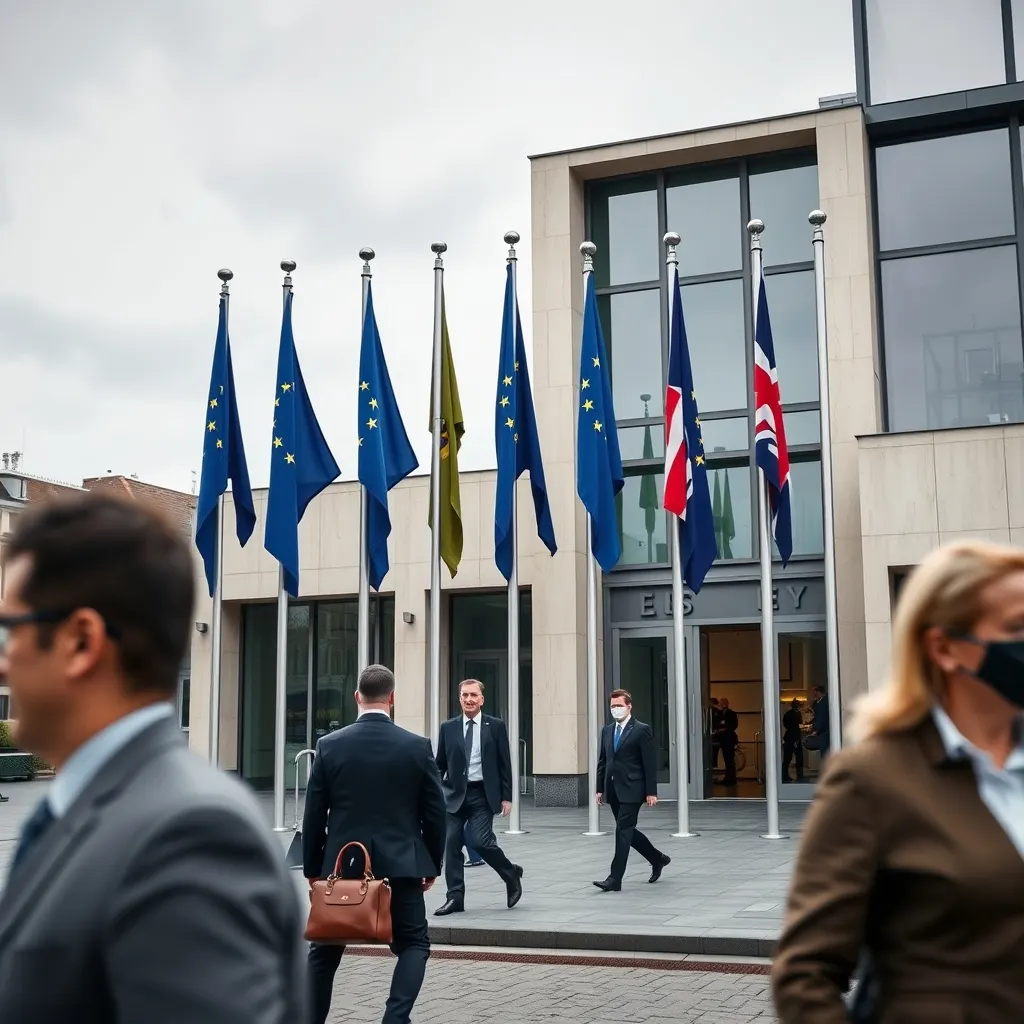
Prime Minister Andy Burnham arrived in Brussels for the summit, where he was greeted by European Commission President Ursula von der Leyen and European Council President António Costa. Downing Street issued a statement declaring that the deal was done, covering three primary areas: food and drink, emissions trading, and a youth mobility scheme allowing up to 100,000 young people from each side to live, work, travel, and study for up to three years.
Tuition Fees and Institutional Stances
Despite the official announcements from London, European Union sources indicated that the main agreements might not enter into force unless the UK reaches a formal settlement regarding tuition fee rates for European students. The EU is pushing for equal treatment, demanding that its students pay UK domestic rates capped at £9,790 rather than higher international fees. During late-stage discussions, the UK floated a figure of £12,000, which remains above domestic charges.
UK officials strongly pushed back against claims that the broader arrangements could collapse, asserting that the issues are entirely separate. Although talks on tuition fees are scheduled to continue for another six months, food and agriculture arrangements are set to come into force in March 2028 regardless of the outcome on university costs. Additionally, UK officials noted that the nation secured inclusion in the potential “Made in Europe” protectionist policy framework aimed at limiting Chinese industrial influence.
Political Reception and Future Outlook
Prime Minister Burnham was accompanied in Brussels by a large contingent of cabinet ministers, including First Secretary of State Louise Haigh, Chancellor John Healey, Foreign Secretary Ed Miliband, Business Secretary Jonathan Reynolds, Environment Secretary Angela Eagle, and Chief Whip Anneliese Midgley. Speaking to business leaders, Burnham emphasized a desire to break with a decade of low growth and rising costs.
Meanwhile, the developments have drawn criticism from domestic political opponents. Reform UK leader Nigel Farage, also present in Brussels, argued that the prime minister was effectively rejoining parts of the European single market and turning the UK into a rule taker.
Source: Fallout over tuition fees may snag Burnham’s EU deal, say insiders (source-feed timestamp 2026-11-20T12:42:08+00:00). AI-assisted report based on the cited linked article and its RSS feed; details were not independently verified.
Context matters. Read about our editorial standards and corrections policy.

Join the conversation