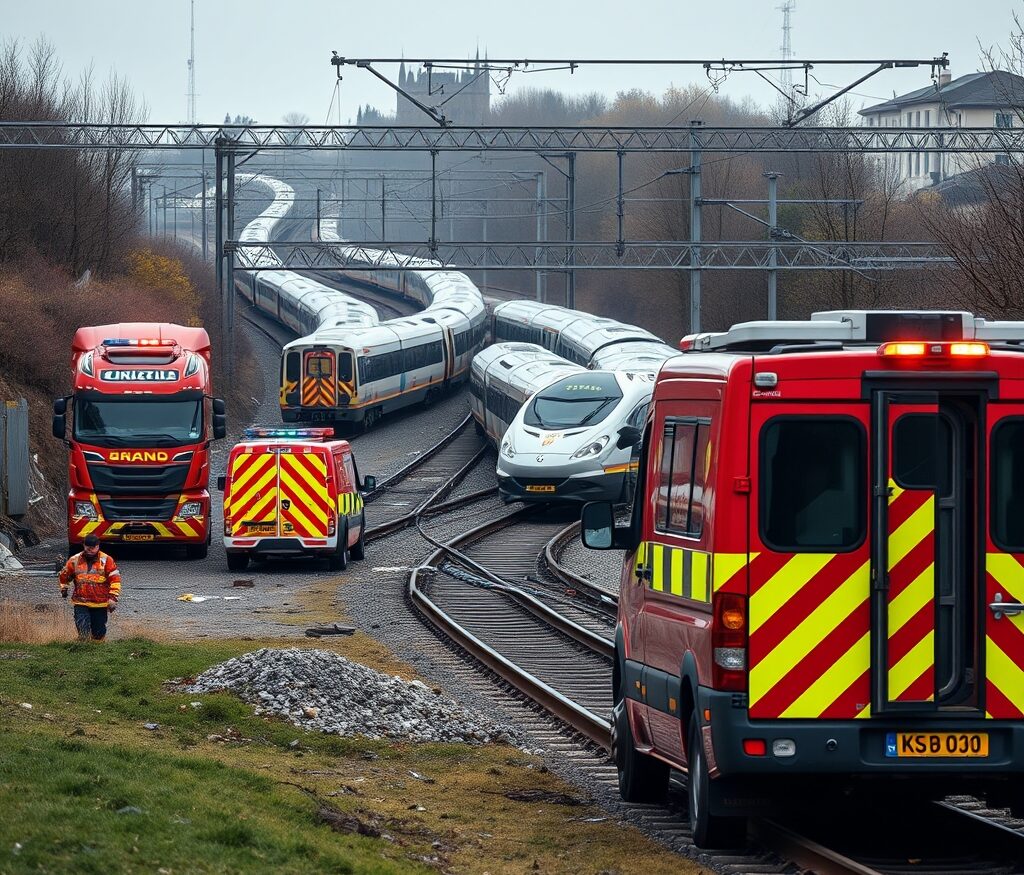
A devastating Spain train crash occurred on Wednesday morning when two high-speed trains collided in the province of Toledo, south of Madrid, leaving at least 64 people dead and dozens more injured according to local authorities and BBC reports. The tragic incident took place just after 09:00 local time between the municipalities of Mora and Orgaz, approximately 140 kilometres south of the capital.
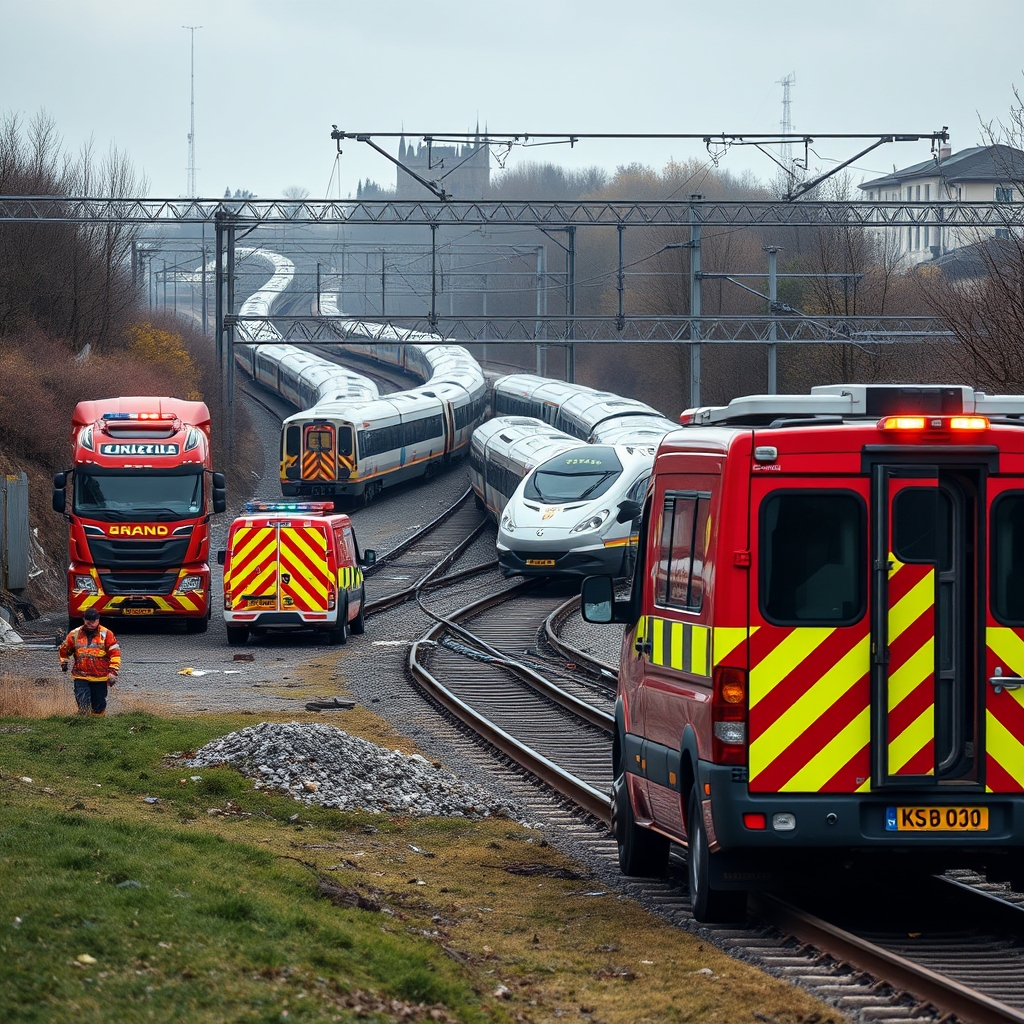
According to rail operator Adif and transport officials, a high-speed train operated by the state-owned company Renfe rear-ended a stationary train belonging to private operator Iryo, which covers the Madrid to Seville route. The violent impact caused at least two carriages to plunge down an embankment. More than 500 passengers were believed to be on board the two services combined, with regional government spokesperson Esther Padilla noting that the Iryo train carried 146 passengers and one baby, while the Renfe service carried 397 passengers.
Details Emerge on the Spain Train Crash Causes
Transport Minister Oscar Puente provided initial insights into what led to the disaster during statements to Spanish media. He explained that a computer failure had triggered the initial halt of six moving trains along the corridor, including the two vehicles ultimately involved in the collision. While automatic control systems experienced a failure, the control centre stepped in to manage the situation.
Under what the minister described as inexplicable circumstances, the control centre permitted the trains to resume movement without any speed restrictions. This decision culminated in the Renfe train striking the rear of the Iryo train, which remained stationary further along the tracks. Rail operator Adif confirmed that all train traffic on the affected line has been completely suspended, with services between Madrid, Ciudad Real, and Andalusia remaining halted as investigations continue.
Emergency Response and Casualties
A massive emergency response involving fire crews and helicopters was immediately deployed to the site in Toledo. Authorities report that 80 people are receiving medical treatment for injuries sustained in the crash. Among those casualties, 50 individuals are reportedly in a serious condition, while 15 more remain in critical care. Local hospitals in Toledo, Ciudad Real, and Alcázar de San Juan have suspended planned surgeries to cope with the sudden influx of patients, and a blood transfusion centre in Madrid issued an urgent call for donations.
The tragedy has prompted widespread national reactions. Spanish Prime Minister Pedro Sánchez expressed deep shock on social media and announced the cancellation of all public engagements, including political campaigning for upcoming parliamentary elections. Spain’s royal family also shared profound concern and extended condolences to the families of the victims. This disaster marks the second major high-speed rail tragedy in Spain this year, following a January derailment in the south that claimed 46 lives.
Source: What we know so far about deadly Spain train crash (source-feed timestamp 2026-10-28T14:53:38+00:00). AI-assisted report based on the cited linked article and its RSS feed; details were not independently verified.
Context matters. Read about our editorial standards and corrections policy.



Join the conversation