According to BBC reports, solo dining is increasingly being embraced as an intentional act of self-care and independence, reshaping the modern restaurant industry. While sharing meals with family and friends remains a social staple, a growing number of people are choosing to book tables for one as a regular treat.
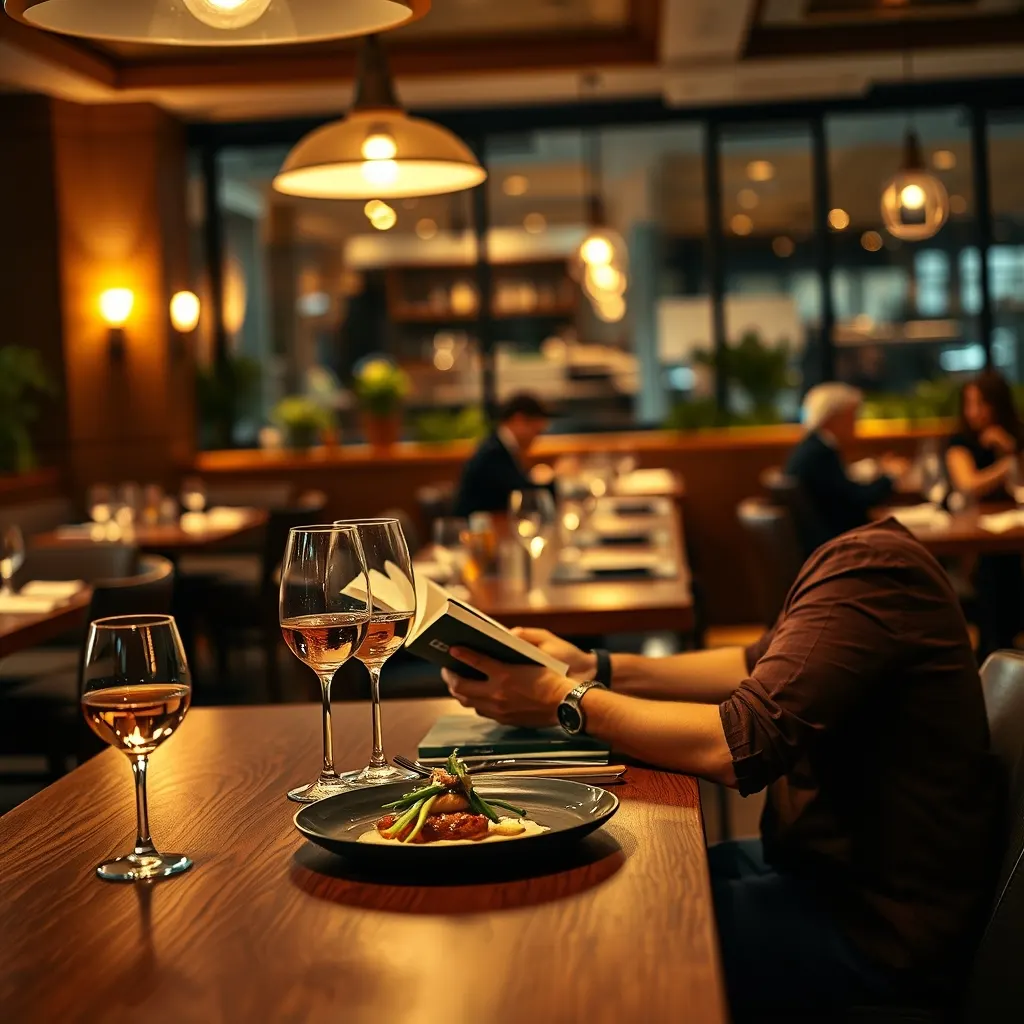
Food trends analyst Charles Banks, joint managing director of The Food People, noted that eating alone has become nearly aspirational. Rather than dining alone out of necessity during work trips, consumers are carving out pockets of independence and indulgence.
The Rise of Solo Dining and Booking Trends
Online booking platform OpenTable reported that while single diners still make up the smallest proportion of its reservations in the UK, it is currently the fastest-growing category. Figures covering January 1 to August 31 showed a 23% increase in solo bookings compared to the same period in the previous year.
Among those embracing the trend is 23-year-old Catherine Smith from Yorkshire. Beginning her solo dining journey at university, she now dines alone at least once a month, typically spending £100 to £200 per meal on high-end spots in the UK and abroad. As a meat-eater with vegetarian and vegan friends, she finds freedom in choosing restaurants without needing to compromise on menus. She describes the experience as empowering and a form of female liberation, often reading, journaling, or enjoying the peace and quiet during her meals.
Cultural Differences and Restaurant Resistance
The cultural reception of eating alone varies significantly around the world. Nishi Singh, an avid solo diner who moved from London to Delhi, discovered that the practice is less widely accepted in India. After being approached by someone who assumed she had been stood up, she began documenting her experiences on social media, prompting responses from others who felt too scared to dine alone.
Despite the growing demand, the hospitality sector has not universally welcomed single diners. A survey by the website SoloTable, which assessed 178 restaurants in London, found that one in eight establishments did not accept online reservations from solo diners. Banks explained that some restaurants view a single diner as an inefficient use of a table rather than a customer they actively seek.
Adapting to Single Diners
Some venues are actively working to attract solo customers. Yousaf Khalid, co-founder and director of Jungli—an Indian restaurant in Newcastle upon Tyne—incorporated high tables, bar seats, and device charging points to accommodate single guests. The restaurant hires staff with engaging personalities who can converse with customers while remaining mindful when a solitary experience is preferred.
As the trend continues to evolve, fans like Catherine encourage others to try booking a table for one, predicting that society will increasingly accept solo dining as a normal and rewarding experience.
Source: I spend £200 a month on fancy meals by myself – would you dine solo? (source-feed timestamp 2026-11-27T00:54:45+00:00). AI-assisted report based on the cited linked article and its RSS feed; details were not independently verified.
Context matters. Read about our editorial standards and corrections policy.


Join the conversation