Anglo-Australian miner Rio Tinto has agreed to pay a quarter-of-a-billion dollars to begin the clean-up of the toxic Panguna mine site it abandoned more than three decades ago, according to recent reports.
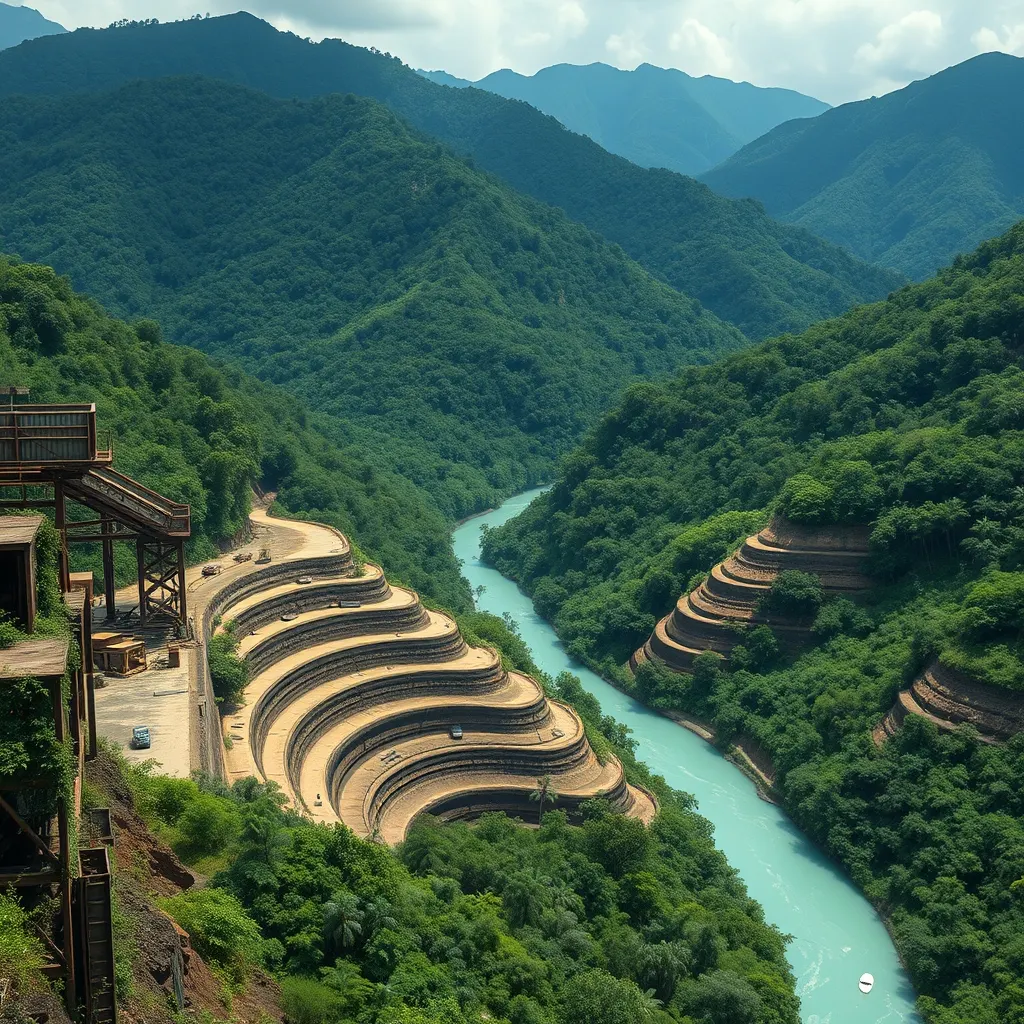
Panguna, which was once among the world’s most profitable gold and copper mines, was shuttered in 1989 following violent protests over environmental damage and the inequitable division of profits. Those protests sparked a decade-long civil war on the Papua New Guinean island of Bougainville. Today, the sprawling mine pit remains a stark scar in the middle of the island, featuring vast pillars of rubble at risk of collapse and polluted rivers running bright blue with toxins.
Panguna Mine Legacy and Environmental Toll
Although Rio Tinto was forced from the island and never returned, the company has recently participated in a detailed consultation process with local landowners and the government. As a result, Rio Tinto has agreed to voluntarily contribute US$250m (approximately A$370m) towards the remediation of the abandoned Panguna mine site.
Theonila Roka Matbob, a former cabinet minister in Bougainville’s autonomous government and a community leader, described the newly established fund as a vital contribution towards repairing the devastation left behind. She noted that while no amount of money can fully restore the damaged environment, the funds set a foundation to address environmental issues and invest in the future.
Key priorities for the remediation work include improving accessibility to safe, secure drinking water and rebuilding infrastructure such as bridges to make travel to schools, healthcare, and trade easier for local residents. Bougainville President Ishmael Toroama added that the funding will make a meaningful difference for villages and communities suffering from ongoing pollution impacts.
Origins of the Agreement
The funding commitment emerged directly from the Panguna Mine Legacy Impact Assessment consultation process. This process was originally initiated in response to a human rights complaint brought by the Australian-based Human Rights Law Centre, with Roka Matbob acting as the lead complainant.
Keren Adams, legal director at the Human Rights Law Centre, emphasized that establishing the fund required years of persistence from community leaders and constructive dialogue among all parties. Mark Davies, Rio Tinto’s chief safety and technical officer, called the agreement an important milestone intended to support the transition from assessment to practical remedy implementation.
While the US$250m will not entirely remediate the extensive site, it represents a major step forward in addressing an environmental disaster that has remained unresolved for decades.
Source: Rio Tinto agrees to pay US$250m to begin repairing ‘devastation’ left by Panguna mine (source-feed timestamp 2026-11-17T02:02:30+00:00). AI-assisted report based on the cited linked article and its RSS feed; details were not independently verified.
Context matters. Read about our editorial standards and corrections policy.



Join the conversation