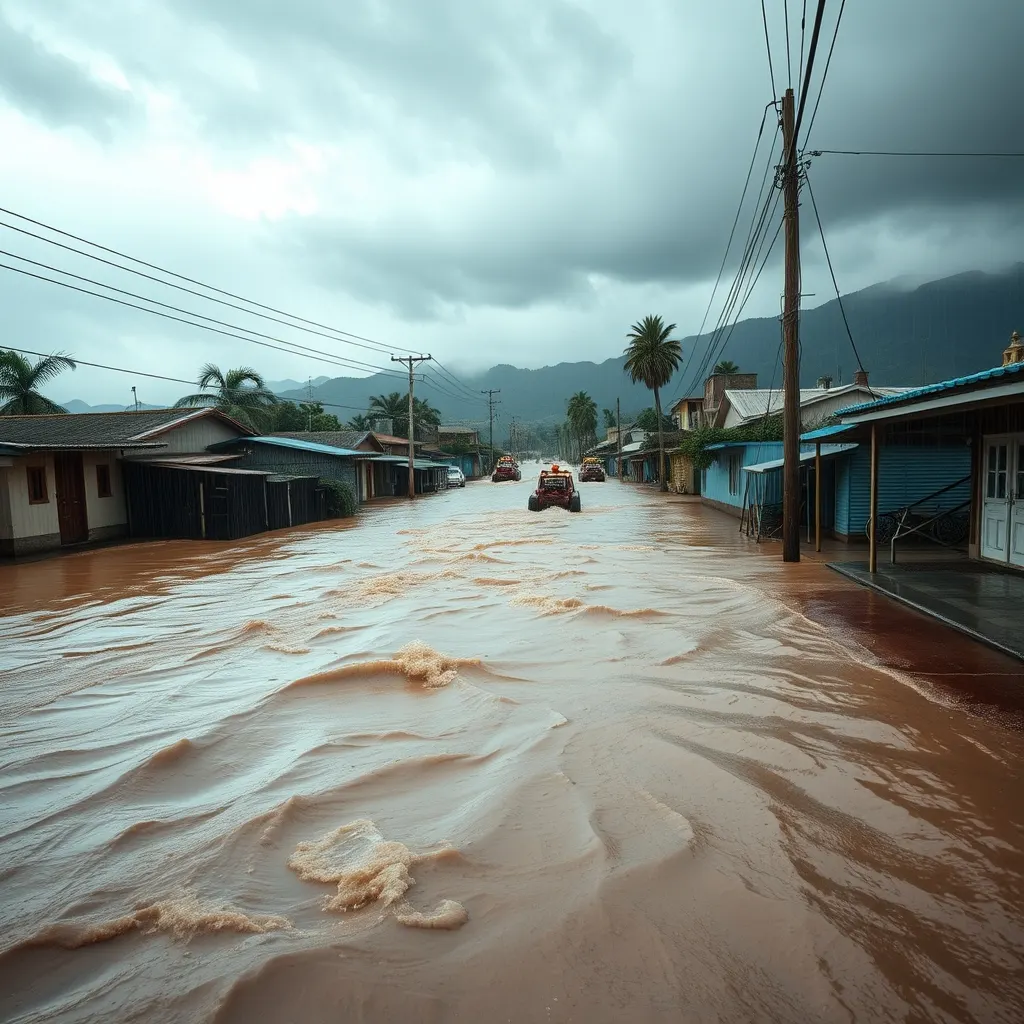
Relentless storms driven by a powerful El Niño have caused severe flooding, emergency evacuations, and widespread infrastructure damage across northern Peru and coastal Ecuador, according to The Guardian. The extreme weather follows weeks of heavy downpours that have already killed at least 34 people in Ecuador since late August, local risk management agencies report.
Impact of a Powerful El Niño Across the Region
The climate phenomenon, which originates from a warming of the tropical Pacific, has disrupted normal weather patterns along normally dry coastal areas. In north-western Ecuador’s Esmeraldas province, emergency responders evacuated multiple families after two rivers burst their banks. Floods and landslides have damaged more than 50 road sections across Ecuador, forcing the closure of at least 10 routes, including the primary highway connecting Quito to the coast. Furthermore, severe weather forced adjustments to local elections, with the national electoral council relocating polling stations across several provinces.
Across the border in Peru, the overflowing Tumbes River flooded sections of the Pan-American highway, prompting police to rescue stranded ranchers. In the north-western city of Piura, a record 143mm of rain fell within a 24-hour period, submerging streets under waist-high water. Peruvian President Keiko Fujimori toured flooded neighborhoods, noting that emergency crews rescued hundreds of residents from submerged homes.
Economic Strain and Forecasts
Forecasters warn that conditions will remain at extraordinary strength until February, keeping red alerts active in northern regions such as Piura and Tumbes. Beyond immediate rescue operations, the climate disruption has impacted food production and supply chains, reducing crop yields and fish catches. In Lima, annual inflation surpassed 5% in October, driven largely by climbing food prices, while the central bank estimates the weather pattern will reduce economic growth significantly.
Source: Rivers overflow in Peru and Ecuador as powerful El Niño drenches region (source-feed timestamp 2026-11-28T21:47:53+00:00). AI-assisted report based on the cited linked article and its RSS feed; details were not independently verified.
Context matters. Read about our editorial standards and corrections policy.



Join the conversation