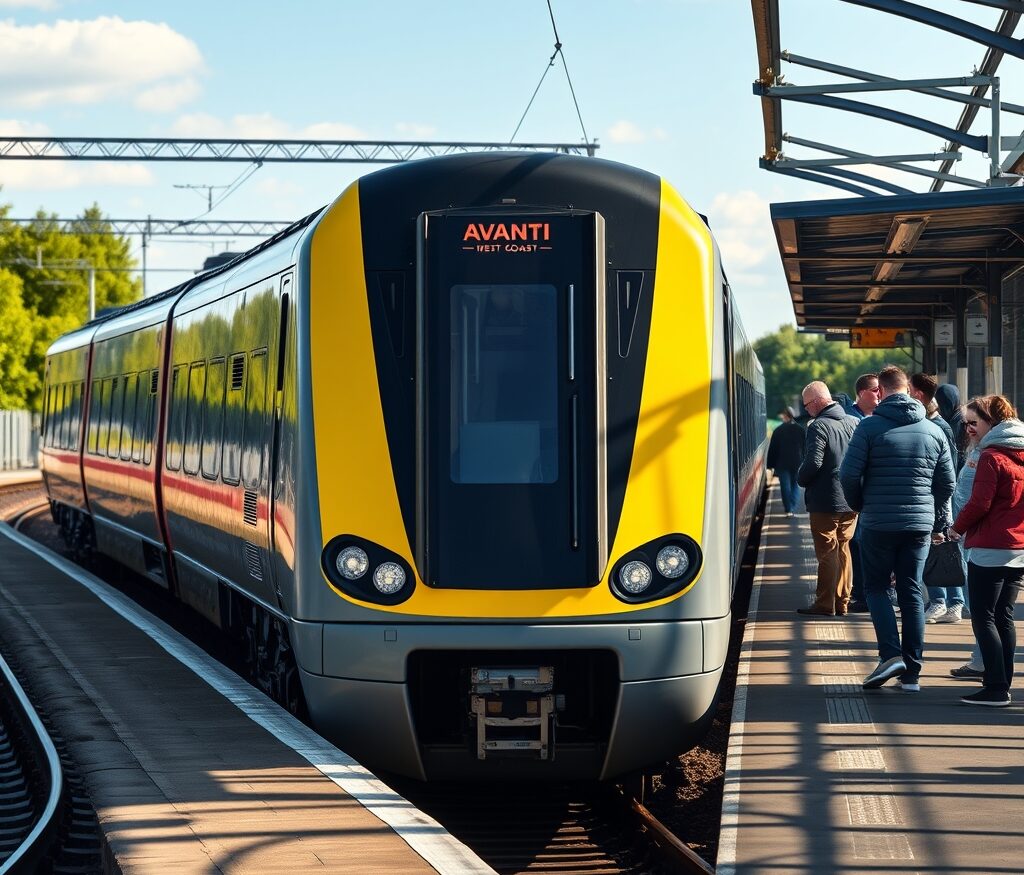
Intercity train operator Avanti West Coast has paid out more than £20m to passengers in just three months this summer in delay repay refunds for disrupted journeys across Britain’s main intercity rail network.
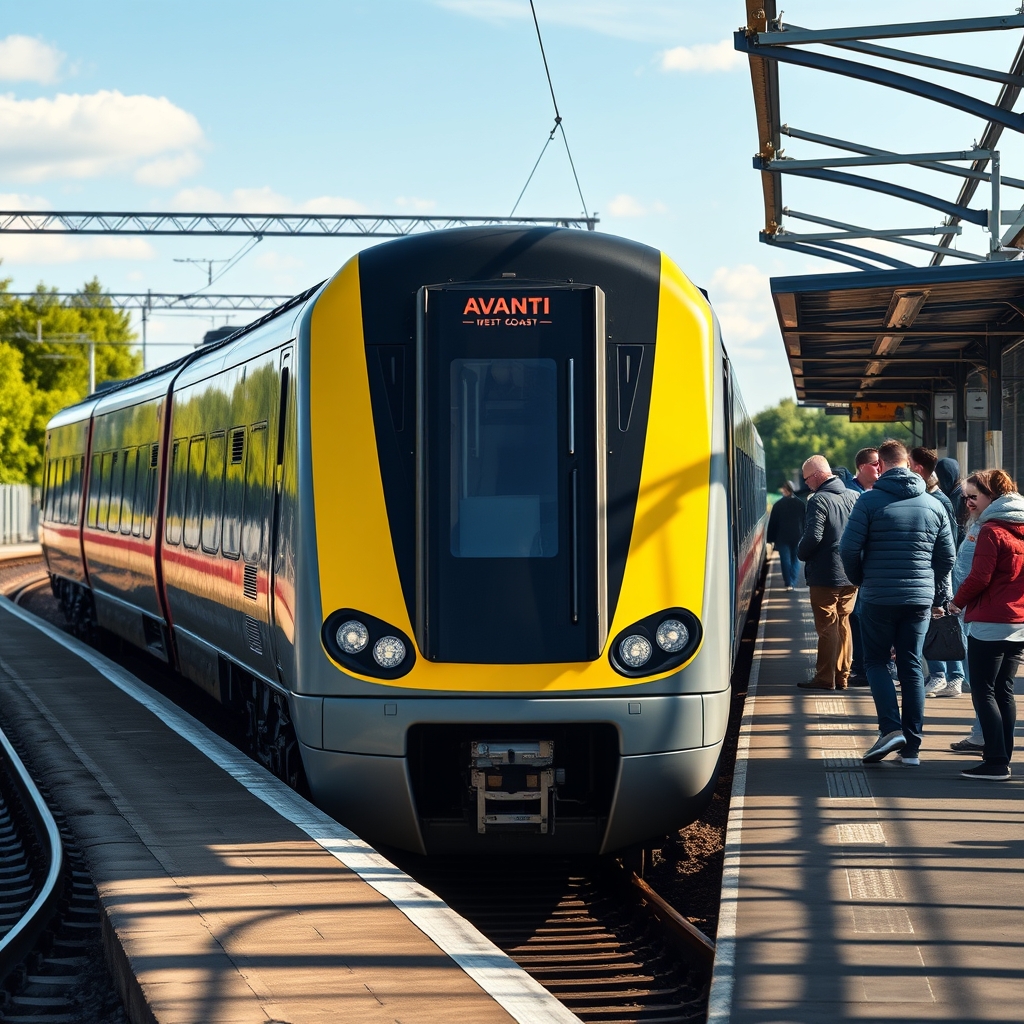
According to reports from The Guardian, the intercity operator paid almost as much in a four-week period ending 25 July—£9.3m—as its annual profits for each of the past two years. A further £12.2m was repaid during the subsequent eight weeks. The spiralling compensation bill for slow-running or cancelled services has grown across the railway network in recent years, with Avanti remaining the largest payer.
Understanding the Soaring Delay Repay Costs
Official figures from the Department for Transport (DfT) show that total passenger compensation for delays rose to £150m across the railway in 2024-25, marking an 8% increase compared with the previous year. Avanti’s payouts accounted for about 27% of that total, equating to £40.5m. Industry experts note that fare inflation, increased awareness of passenger rights, and more automated claims processes have contributed to soaring totals.
Under post-pandemic contracts replacing the former franchising system, train operators receive income from DfT fees instead of depending directly on fare revenue. Consequently, the taxpayer absorbs any profit or loss from ticketing income or refunds. Avanti, which is scheduled to be taken into public ownership next year as part of Great British Railways, paid out over £50m in 2025-26 and faces a projected bill of more than £70m for the current financial year.
Summer Heatwaves and Network Disruptions
During summer heatwaves, fewer than half of Avanti trains ran on time in July, leaving passengers delayed by an average of 19 minutes, according to Office of Rail and Road figures. The peak payout period also encompassed unusual disruptions, including a large herd of cows trespassing on the tracks for several hours.
Long-distance operators typically incur the largest sums because customers are more likely to claim given higher ticket expenses and the frequency of delays reaching thresholds where fares are refunded. Avanti and GWR offer compensation for delays after 15 minutes, refunding 25% of the fare paid, whereas LNER compensates only after 30-minute delays. GWR and LNER previously paid £29.7m and £28m respectively in 2025.
Data from the Office of Rail and Road indicates that compensation claims filed across Great Britain reached 9.1m in 2026, up nearly 10% year-on-year, with 80% of claims approved. An Avanti West Coast spokesperson apologised for service performance issues and highlighted commitment to automated payouts for journeys delayed by 15 minutes or more. Meanwhile, the DfT stated it is actively tackling root causes of disruption and planning a more streamlined compensation service under Great British Railways.
Source: Avanti West Coast paid out £20m in ‘delay repay’ passenger refunds this summer (source-feed timestamp 2026-10-31T07:00:35+00:00). AI-assisted report based on the cited linked article and its RSS feed; details were not independently verified.
Context matters. Read about our editorial standards and corrections policy.


Join the conversation