Experts and academic specialists have strongly criticized the Victorian Liberals’ proposal under opposition leader Jess Wilson to pursue a 90-year lease of Melbourne’s major sewage treatment plants, warning it poses long-term risks to water resources and crucial wetlands while offering negligible relief to state debt.
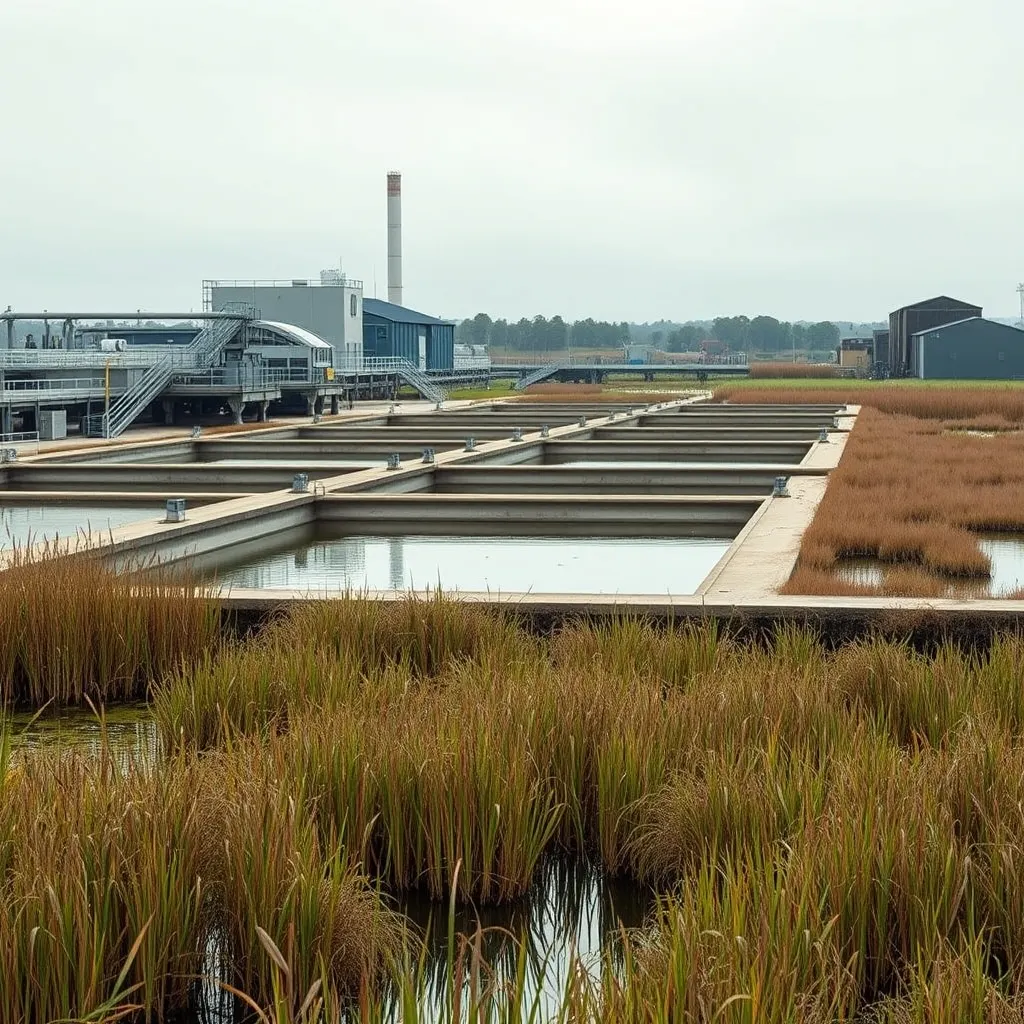
Announced just two days before the state election, the plan targets the Eastern and Western treatment plants run by Melbourne Water, which process the vast majority of the city’s sewage. Estimated at $9.2bn, the lease proposition includes assurances from the opposition that pricing regulations and water bills would experience no changes.
Assessing the Impact of Jess Wilson’s Melbourne Sewage Plant Lease Plan
Water law expert Dr Erin O’Donnell from the University of Melbourne Law School dismissed the financial impact of the proposal, characterizing it as smoke and mirrors rather than a meaningful financial fix. O’Donnell noted that because pricing remains strictly regulated and corporations already pay significant dividends to the state, private entities would struggle to extract real profit without compromising public service quality. She estimated the lease proceeds would make up only about 5% of Victoria’s total debt.
Experts also pointed to historical international precedents. Both O’Donnell and University of Sydney civil engineering professor Stuart Khan referenced the 1980s privatisation of water services in the UK under Margaret Thatcher as a cautionary tale of declining service standards and widespread river contamination. Victorian Labor environment minister Jaclyn Symes similarly criticized the proposition, claiming it mirrors overseas models that drove up utility bills.
Environmental Concerns for Western Treatment Plants
Environmental and wetland experts have raised alarms regarding the potential ecological consequences for protected natural areas. The Western treatment plant at Werribee features an internationally significant Ramsar convention wetland designated in 1983. Biodiversity Council member and wetland expert Prof Richard Kingsford noted that the site provides dependable habitat for more than 300 bird species, including threatened wildlife like the orange-bellied parrot.
Kingsford cautioned that private management models might neglect these critical environmental values. Furthermore, critics questioned the timing of the policy rollout so close to election day when many voters had already cast ballots.
Political Pushback and Response
A Victorian Liberal party spokesperson defended the policy against the criticism, labeling it a desperate scare campaign by Labor and emphasizing that the initiative constitutes a lease rather than an outright sale of Melbourne Water.
However, the proposal faces immediate legislative hurdles. One Nation’s Victorian leader, Warren Pickering, and Greens leader Ellen Sandell both vowed to block or fight the privatization agenda if they hold the balance of power following the election.
Source: Jess Wilson’s plan for Melbourne sewage plants risks water and wetlands without bringing debt down, experts say (source-feed timestamp 2026-11-27T14:00:14+00:00). AI-assisted report based on the cited linked article and its RSS feed; details were not independently verified.
Context matters. Read about our editorial standards and corrections policy.


Join the conversation