European Union leaders are locked in high-stakes budget negotiations in Brussels, facing intense clashes over a proposed EU Ukraine loan and the bloc’s upcoming financial framework. Arriving at the summit on Thursday, the German chancellor, Friedrich Merz, reiterated his view that all member states should support a €45bn (£38bn) loan for Ukraine for 2027 to address funding gaps caused by Russian military attacks.
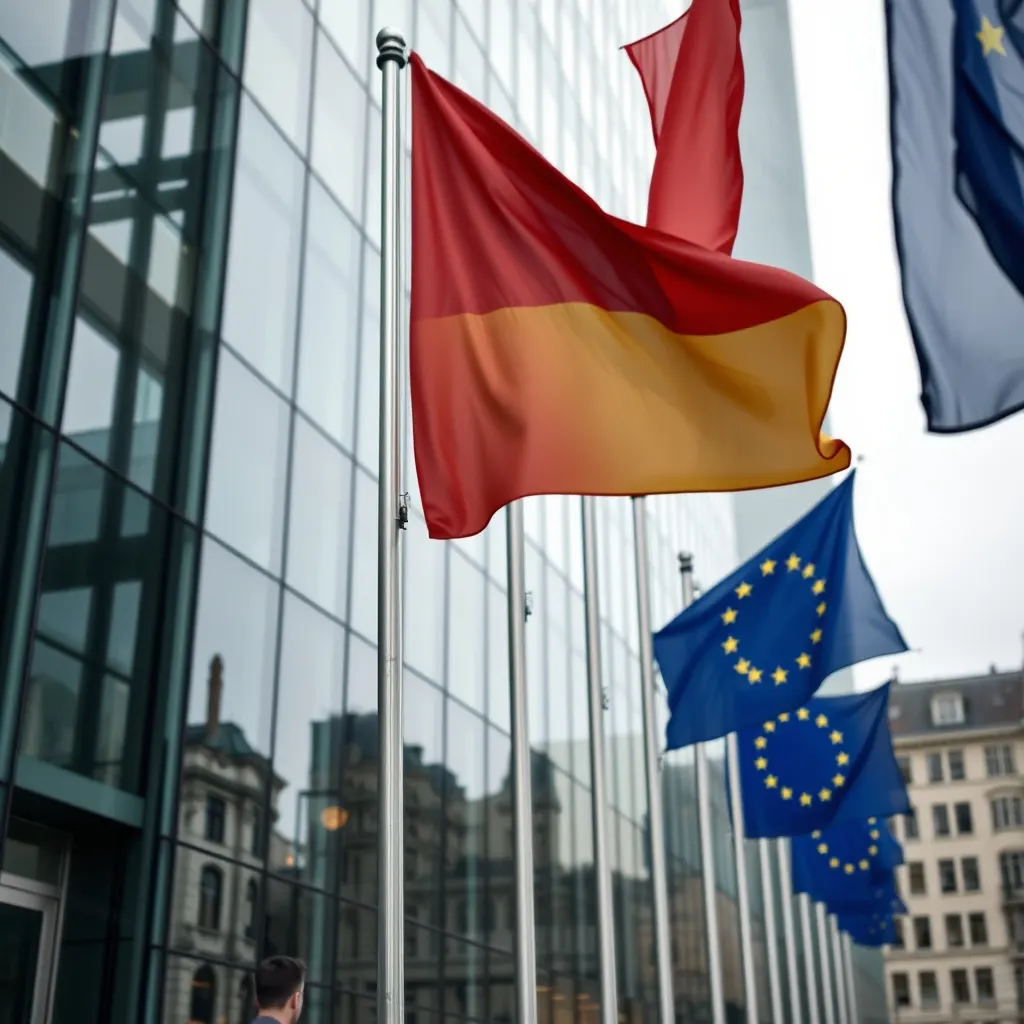
“When the European Union provides funding, it does so as the European Union – and that union consists of 27 member states, not 23 or 24,” Merz stated. The European Commission recently proposed the €45bn package, allocating €25bn for military spending and €20bn for civilian needs such as schools and hospitals.
Tensions Over the Proposed EU Ukraine Loan
While western European, Nordic, and Baltic states have largely backed Merz’s position, resistance has emerged from several governments. Slovakia, Hungary, and Czechia want to opt out of the financial package. Slovakia’s prime minister, Robert Fico, accused the German chancellor of blackmail, while Czechia’s populist prime minister, Andrej Babiš, argued that financing for Ukraine should be negotiated separately from regional cohesion funds.
Conversely, Bulgaria announced it is prepared to contribute to non-military support. Bulgaria’s prime minister, Rumen Radev, stated that his country would take part in a €20bn non-military portion of the support, focusing on the historic Bulgarian diaspora in Ukraine without providing funds for weapons.
Sweden’s prime minister, Ulf Kristersson, criticized the push to opt out, noting that it is unreasonable to accept broader European support while refusing to share the financial responsibility. Meanwhile, some supportive governments have expressed private reservations about Merz’s tactic of threatening to block the bloc&p;s wider cohesion funds.
Long-Term Budget and Timetable Pressures
The dispute over aid is closely intertwined with negotiations for the EU’s next seven-year budget covering 2028-2034. European Council president António Costa presented a €1.78tn proposal representing a 10% reduction from an initial €2tn plan. Officials are pushing to finalize an agreement by the end of the year to avoid complications from major elections in 2027, including the French presidential race where far-right leader Marine Le Pen is leading in polls.
According to The Guardian, leaders remain deeply split between net contributors pushing to reduce overall spending and shift priorities toward defense, and 17 nations in southern, central, and eastern Europe opposing cuts to traditional regional policies.
Source: EU leaders braced for clashes over Ukraine aid at budget talks (source-feed timestamp 2026-11-26T14:56:58+00:00). AI-assisted report based on the cited linked article and its RSS feed; details were not independently verified.
Context matters. Read about our editorial standards and corrections policy.



Join the conversation