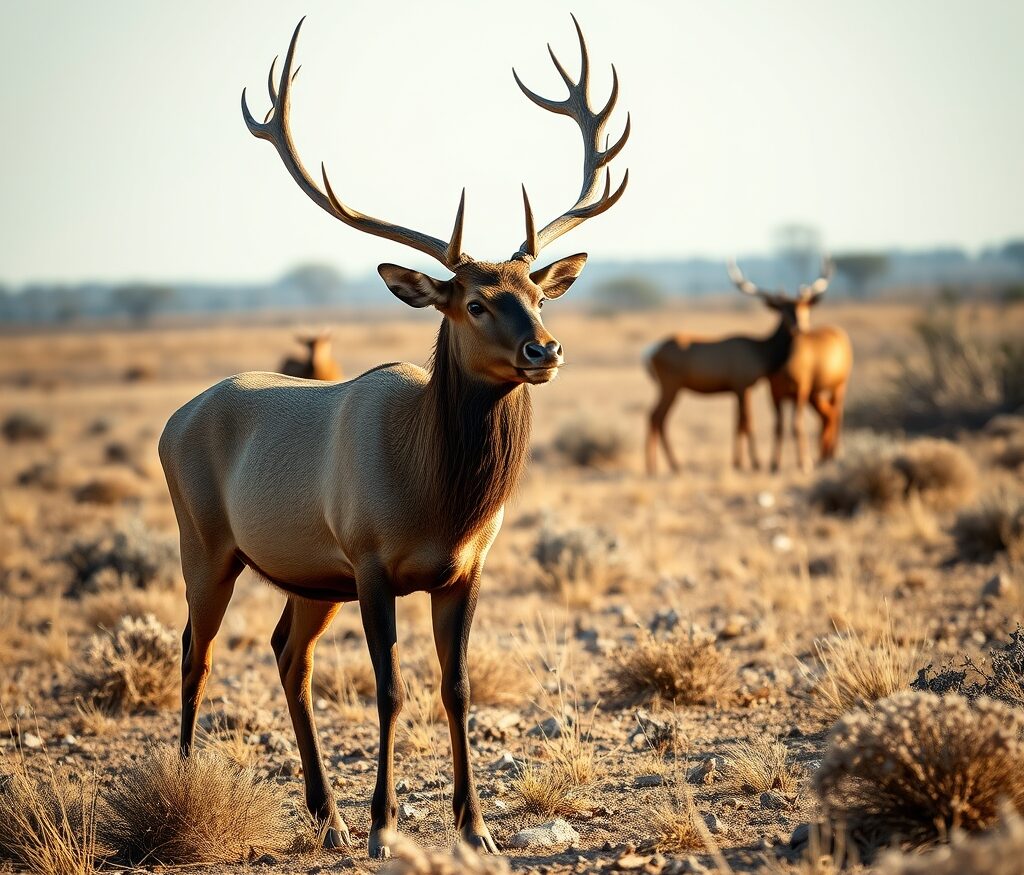
The New World screwworm has been detected in US wildlife for the first time, according to an announcement made by the US Department of Agriculture (USDA) on Wednesday. The flesh-eating parasite was identified in an elk located on a game ranch in Pecos County, Texas, after being reported by a hunter who harvested the animal.
New World Screwworm Found in Texas Elk
Following the discovery, the Texas animal health commission is planning to modify a previously established infested zone. Meanwhile, the USDA and the Texas Parks and Wildlife Department are actively conducting additional wildlife surveillance in the affected area.
Alan Cain, the Texas wildlife division director, urged caution in a public statement, noting that authorities encourage all hunters and landowners to remain vigilant for signs of the New World screwworm while out in the field during the current season.
Broader Context and Regional Spread
The parasitic pest was eradicated from the United States decades ago. However, it has recently surged northward from Central America through Mexico. This resurgence previously prompted Washington to impose a ban lasting more than a year on Mexican cattle imports.
The US government halted livestock imports from Mexico last year to keep out the screwworm, eventually resuming trade in August at an Arizona port as part of a phased reopening plan. This import halt significantly tightened domestic cattle supplies and pushed beef prices to record highs for American consumers.
Despite preventive trade restrictions and ongoing containment efforts, the screwworm was initially detected in June on a calf in Texas’s Zavala county, near the US-Mexico border. Dozens of cases have since been confirmed across the United States this year, including infections found on a horse and a dog, as reported by The Guardian.
Source: Officials confirm flesh-eating New World screwworm parasite found in US wildlife (source-feed timestamp 2026-10-21T23:36:31+00:00). AI-assisted report based on the cited linked article and its RSS feed; details were not independently verified.
Context matters. Read about our editorial standards and corrections policy.


Join the conversation